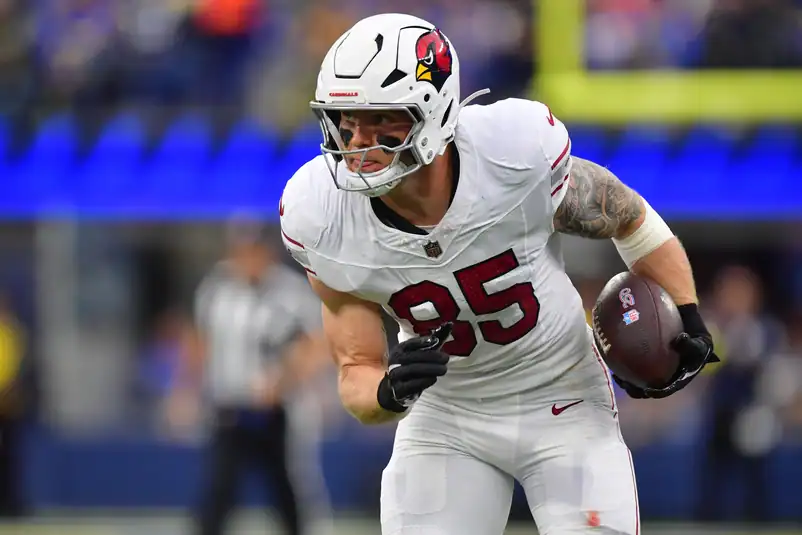
A tight end landscape that started in chaos and ended in clarity deserves its own spotlight. The 2025 fantasy football season gave us everything at the position: true breakout stars, late‑round surprises, waiver‑wire miracles, and a few high‑profile disappointments that tested managers’ patience. With scoring swings, unexpected usage shifts, and a handful of players who completely rewrote their fantasy value, tight end once again proved to be one of the most unpredictable positions in redraft leagues. These awards celebrate the players who defined the season, whether they carried teams to championships, broke out in spectacular fashion, or left managers shaking their heads.
Fantasy TE MVP
Winner: Trey McBride
Why: His late‑season surge was unstoppable. Massive target shares, elite YAC, and multiple playoff‑week explosions made him the tight end who swung the most fantasy championships.
Breakout Tight End of the Year
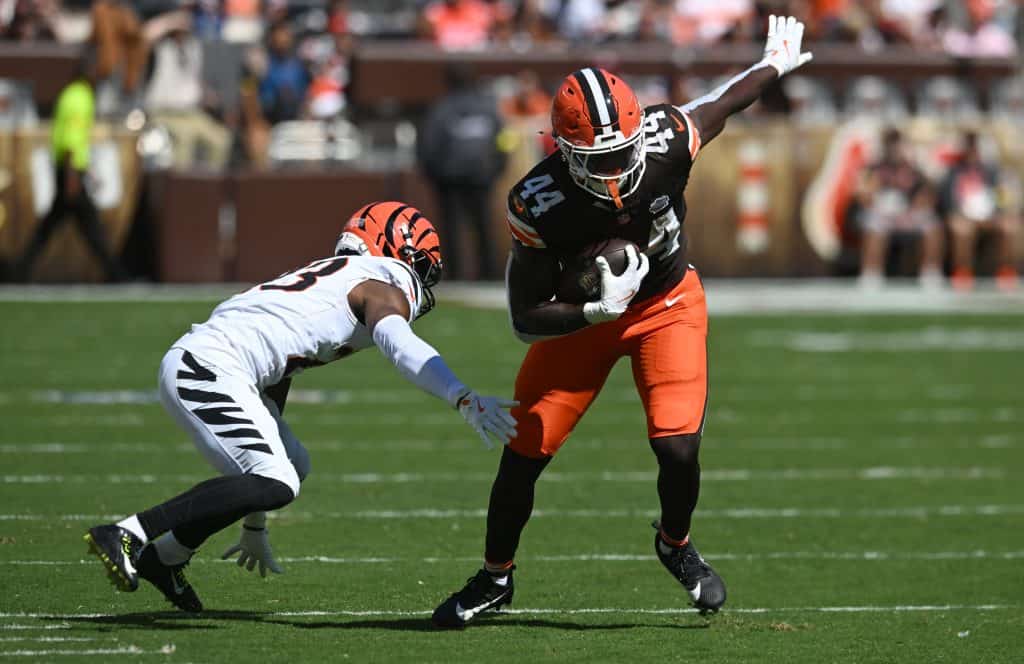
Winner: Harold Fannin Jr.
Why: Fannin isn’t a traditional tight end: he moves like a big slot receiver. That hybrid skill set translated in a big way as a rookie in Cleveland with his usage that gave him YAC upside and his involvement in the red zone.
League‑Winner of the Year
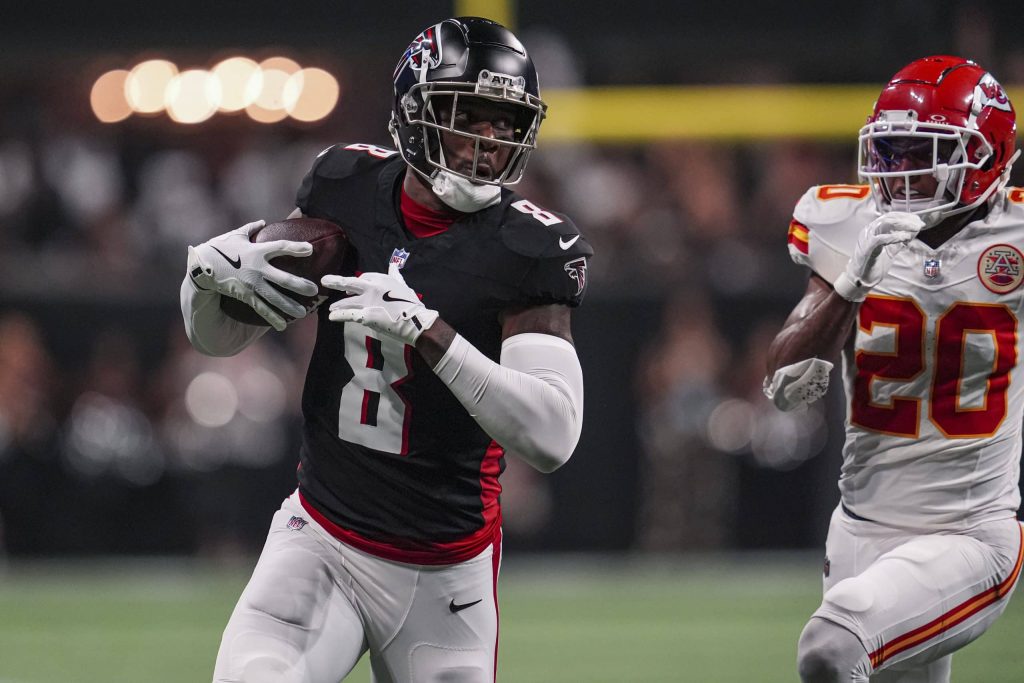
Winner: Kyle Pitts Jr.
Why: For years, Pitts had elite measurables but inconsistent roles. In a league‑winner season, the offense finally treated him like the mismatch he is when Kirk Cousins was feeding him the rock, especially with his blowup historic game that put him as a top-3 tight end in fantasy for 2025. Pitts had multiple 20+ point games in Weeks 14–17 and a playoff‑week spike that swung semifinals or championships.
Bust of the Year
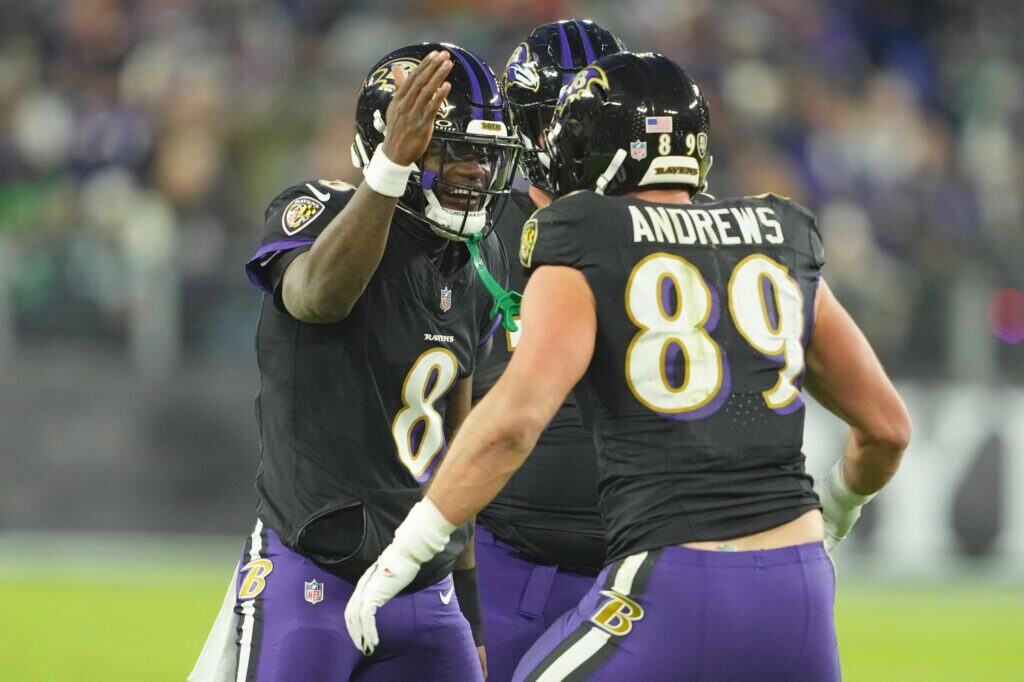
Winner: Mark Andrews
Why: Andrews was selected as a top‑3 tight end in many drafts, often in the 3rd–4th round. That price demands weekly difference‑making production. Instead, he produced more like a mid‑tier TE1 or even a TE2 at times, creating a massive value gap.
Comeback Player of the Year
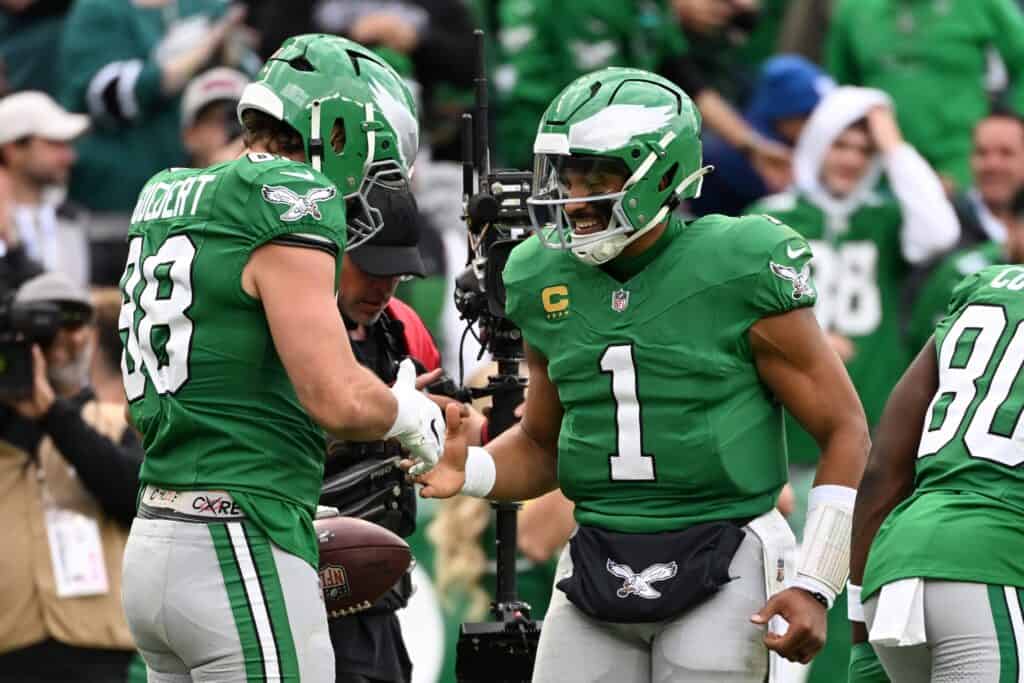
Winner: Dallas Goedert
Why: Goedert’s previous seasons were disrupted by nagging injuries and missed time. In his comeback year, he finally logged a full snap share, had consistent route participation, and frequent usage in the red-zone with more schemed targets (especially early on).
Waiver Wire Hero
Winner: Hunter Henry
Why: Henry went undrafted in most leagues but quickly became a reliable early‑season safety valve in his offense. His red‑zone role resurfaced, he posted multiple TE1 weeks in the first half of the season, and he provided exactly the kind of steady production managers needed when injuries hit the position.
Most Consistent Tight End
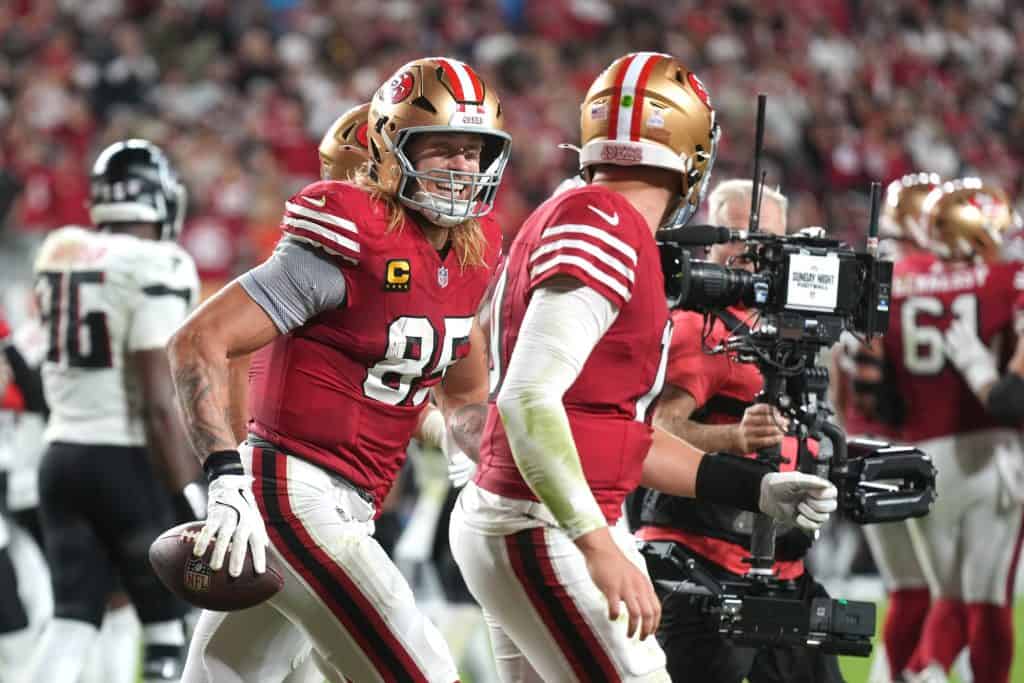
Winner: George Kittle
Why: Kittle didn’t always deliver massive spike weeks coming off injury, but he provided one of the steadiest weekly floors at the position. His target share remained stable, his efficiency stayed elite, and he rarely posted the low‑end duds that plague most tight ends. In a volatile landscape, he was one of the few players you could trust every single week.
Most Frustrating Tight End
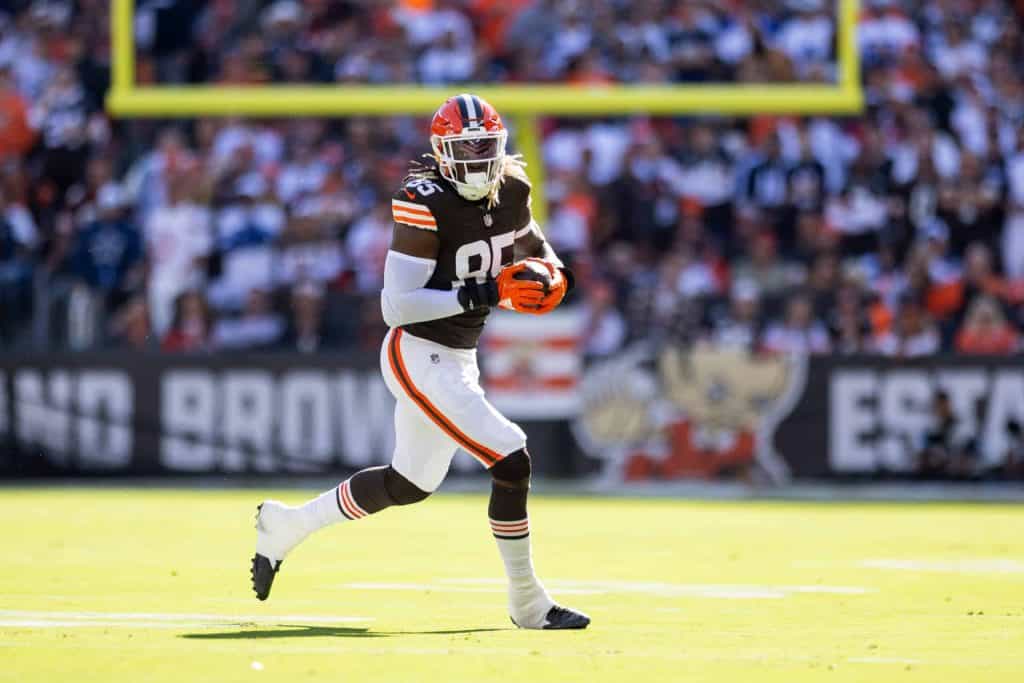
Winner: David Njoku
Why: The talent flashed constantly, but the usage was maddening. Some weeks, he looked like a top‑five TE when he wasn’t injured. However, he vanished entirely most weeks, making lineup decisions a weekly headache. He was outshone by the rookie Fannin even when both were on the field.
Streamer of the Year
Winner: Cade Otton
Why: He became the perfect fill‑in option: predictable routes, steady volume, and just enough red‑zone involvement to produce multiple top‑10 weeks when managers needed him most.