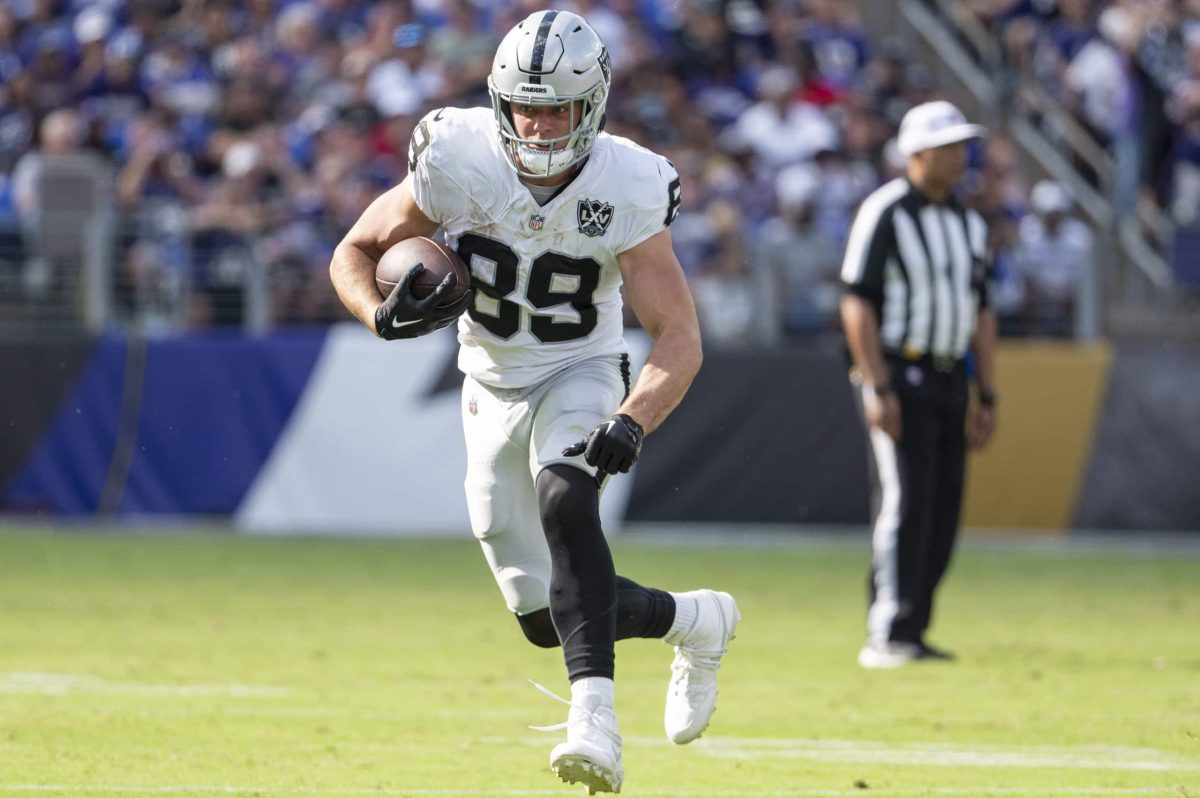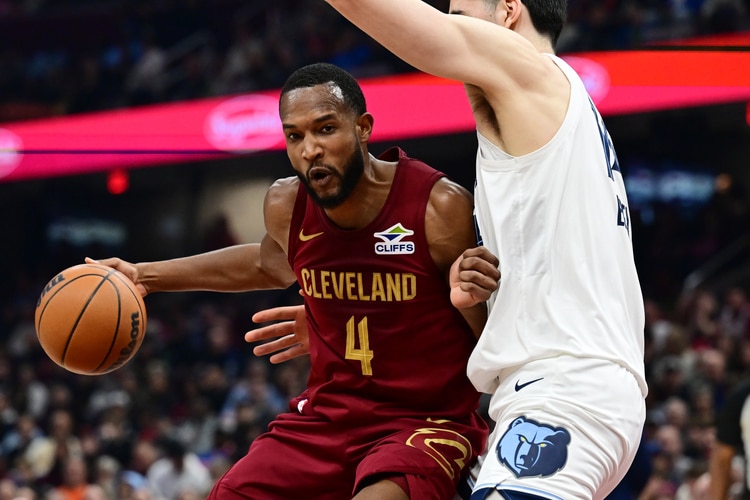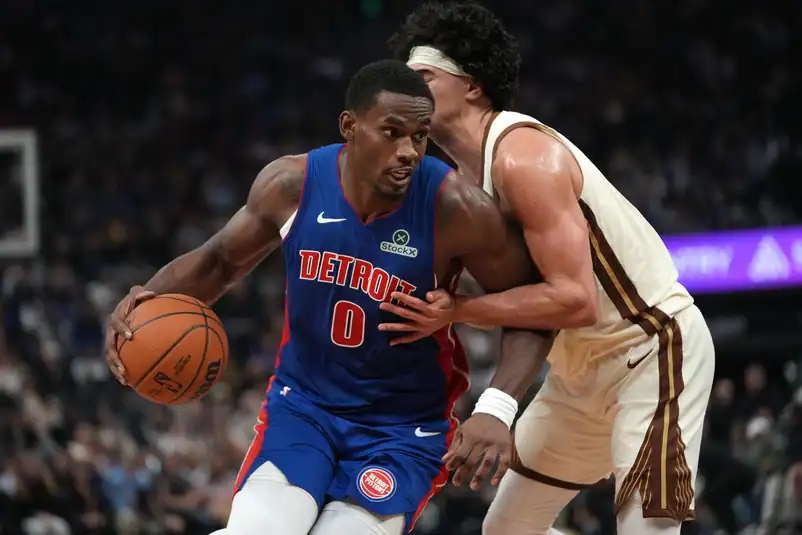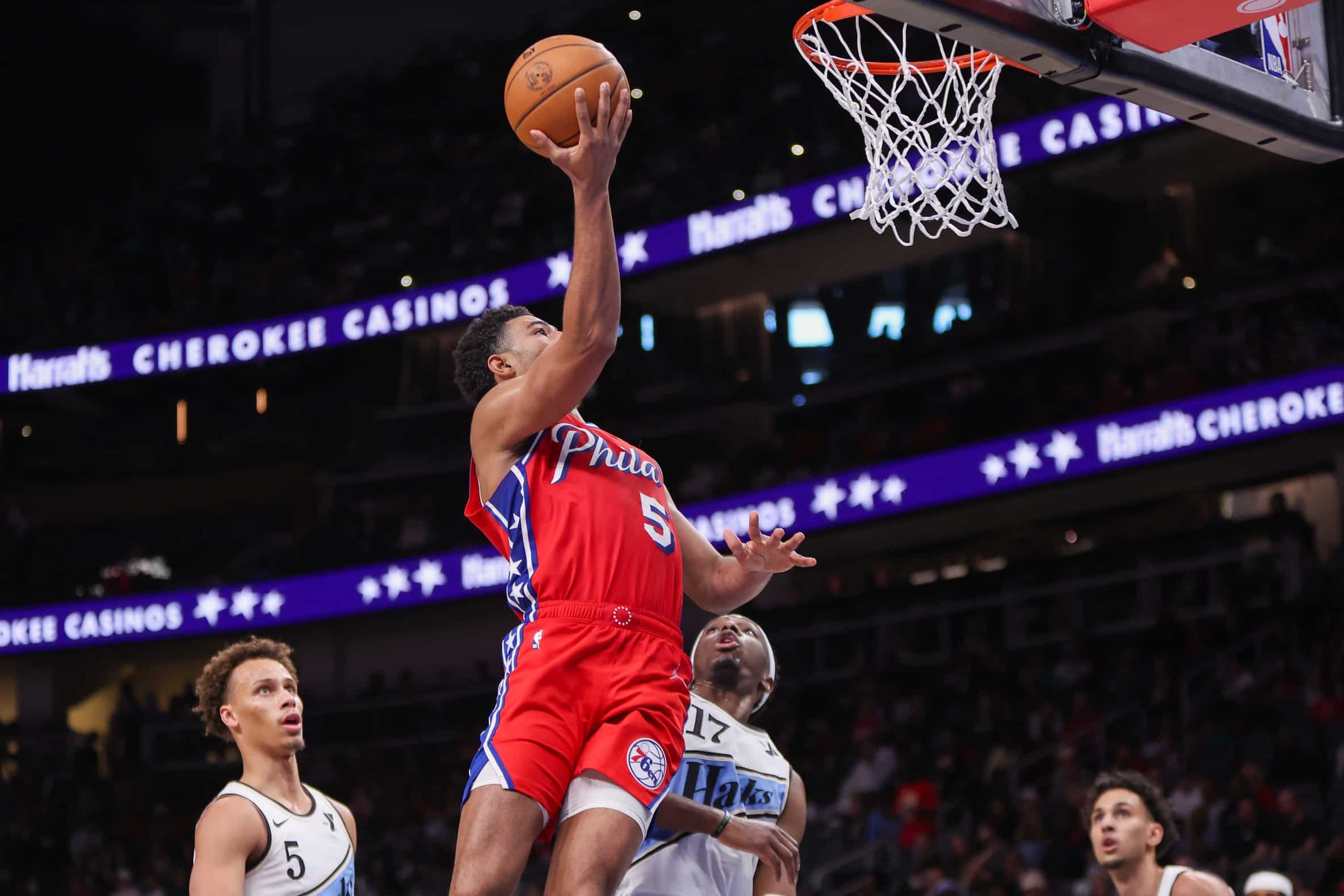
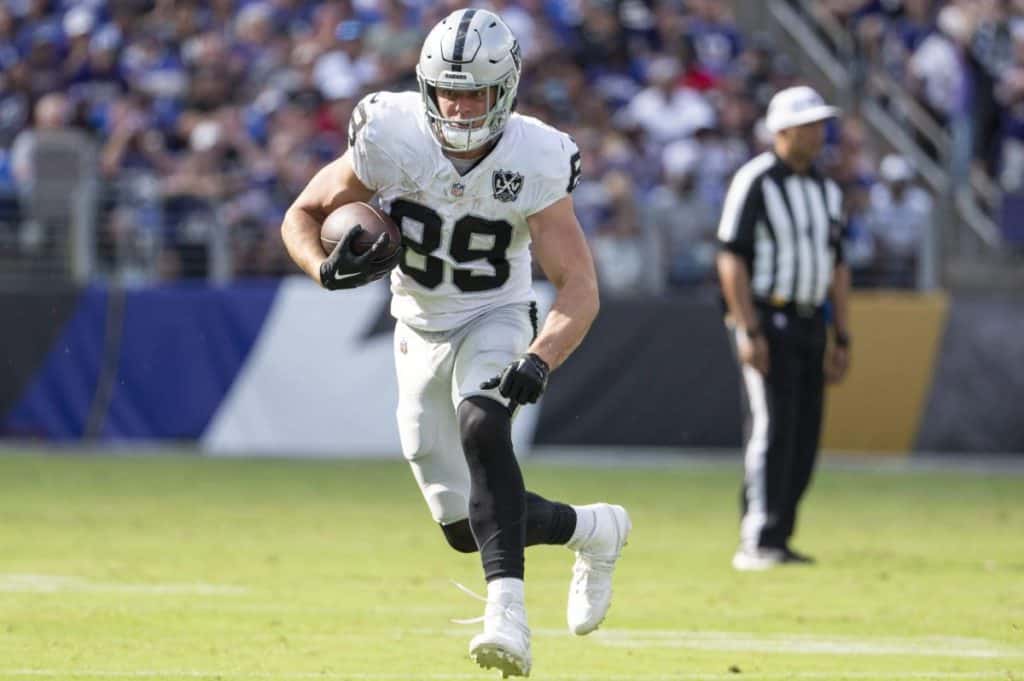
When compared to the expectations going into the season last year, tight ends fluctuated more than any position in fantasy football. Last August, players were taking Brock Bowers in the first round. Trey McBride and George Kittle were second or third-round picks. Plenty of fantasy football savants thought they could ride the season with an anchor tight end and build their teams around that.
Once the season started, though, we found out those tight-end points were hard to come by. Bowers had a slow start, Kittle was injured, and other players were just not doing what they normally do on the field. That being said, rest assured, the pecking order for tight ends definitely is changing going into the 2026 season.
Tier 1: Elite Tight End Dynasty Anchors
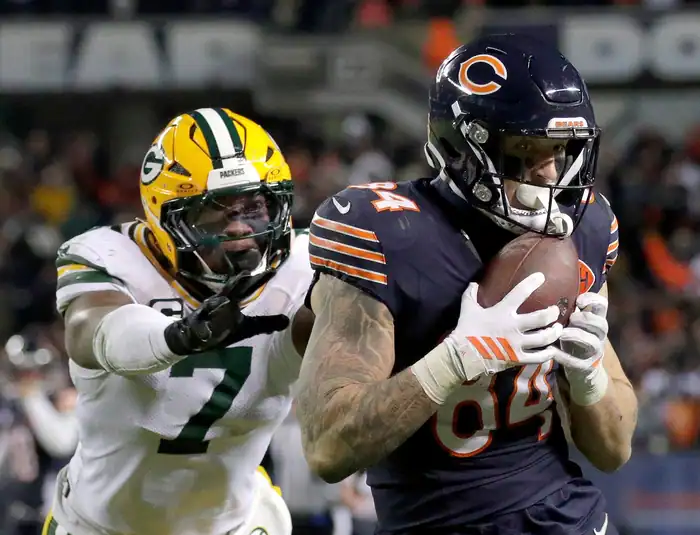
Forget what happened last year, Brock Bowers will still be a top target going into the new season. Las Vegas is likely getting a new quarterback through the draft that can feed the ball to Bowers more often. Trey McBride is the only player from that top three who really performed as advertised since he led tight ends in receptions, yards, and touchdowns.
The newcomer to this list is actually Colston Loveland. He made plenty of clutch catches in the playoffs last season, and the departure of D.J. Moore means more targets for Loveland.
Tier 2. Near-Elite/Ascending Stars
Last season saw a new pair of tight ends emerge into the starlight: Tucker Kraft and Tyler Warren. Both of them dealt with injury at some point last season, but when they were healthy, they were reliable targets with touchdown potential and even some finesse with the ball after the catch.
The other ascending star would be Cleveland’s Harold Fannin Jr. Unfortunately, fantasy football players are going to need to see what the snap count will be like without David Njoku. If Shedeur Sanders can have a big sophomore-season bump, that would help as well.
Tier 3: Solid 1’s with questions
At age 32, George Kittle is starting to become more and more at risk of injury. He should still see several more years of high production, but the spectre of injury is always looming with him. Kyle Pitts ended up having the second-most yards of any tight end in the league last season, but for his numbers to stay that way, Atlanta would likely need to see some improvement from Penix Jr.
Sam LaPorta didn’t have league-leading numbers last year, but he still deserves a look at the tight end position. The biggest question for him is how many targets he will get with Amon St. Ra Brown, Jameson Williams, and Jahmyr Gibbs on the field.
Tier 4: 2’s with Upside
The best upside a tight end could have is red zone targets, and Dallas Goedert tied Trey McBride with 11 touchdowns last season. If the new coaching staff in Philadelphia keeps Goedert in their red zone play package, he should get plenty more touchdowns next season.
Juwan Johnson is an interesting player in that he wasn’t on a good team last year with the Saints. The switch to Tyler Shough might mean more passing yards, though, and Johsnon would easily benefit from that. Long gone are the days when Mark Andrews was one of the first tight ends taken in the draft. He still can put together a great game, but he is competing with age despite getting more looks now that Isaiah Likely has left.
Tier 5: Depth, Streamers, and Stashes
In terms of streaming, Hunter Henry has a chance at a touchdown in almost every Pats game. Now that he might get first-team reps with the Giants, Isaiah Likely will be a top tight end prospect, so he might be worth stashing away on a roster spot somewhere. The same can be said for Dalton Schultz, who is a fine TE2, provided the owner has a strong tight end starting ahead of him.
Rookie and Prospect Watch
There is one big prospect to watch out for, and that is Kenyon Sadiq from Oregon. At 6’3″, he can create lots of mismatches with smaller secondary defenders. He also has the athleticism a coach may want out of a catching tight end. Sadiq might be the only tight end taken in early rounds, but Jack Endries from Texas and Max Klare from Ohio State might be taken relatively early as well.
Buy/Sell/Hold Recommendations: Strategy Implications and Beyond
In terms of the big three (Kittle, Bowers, and McBride), they should probably all be kept. Two of them are getting a quarterback upgrade, and the other (Kittle) needs to stay healthy. These guys are also buying targets in other leagues where players were disappointed with Bowers or Kittle last season. The one guy players might consider selling would be Dalton Schultz, but that would change if the Texans improve their offensive line in the offseason.
The good news about the tight end position is that it isn’t as top-heavy as it’s been in years past. There are plenty of options to take through the draft, like Fannin Jr. or Tucker Kraft, who can get 15+ points a week. If anything, it’s a nervous year for dynasty players who are trying to hold their top tight ends. Watch out for leagues where guys like George Kittle or Kyle Pitts Jr. get dropped; some players might want to roll the dice in this draft rather than holding their tight end.